This article is from the Australian Property Journal archive
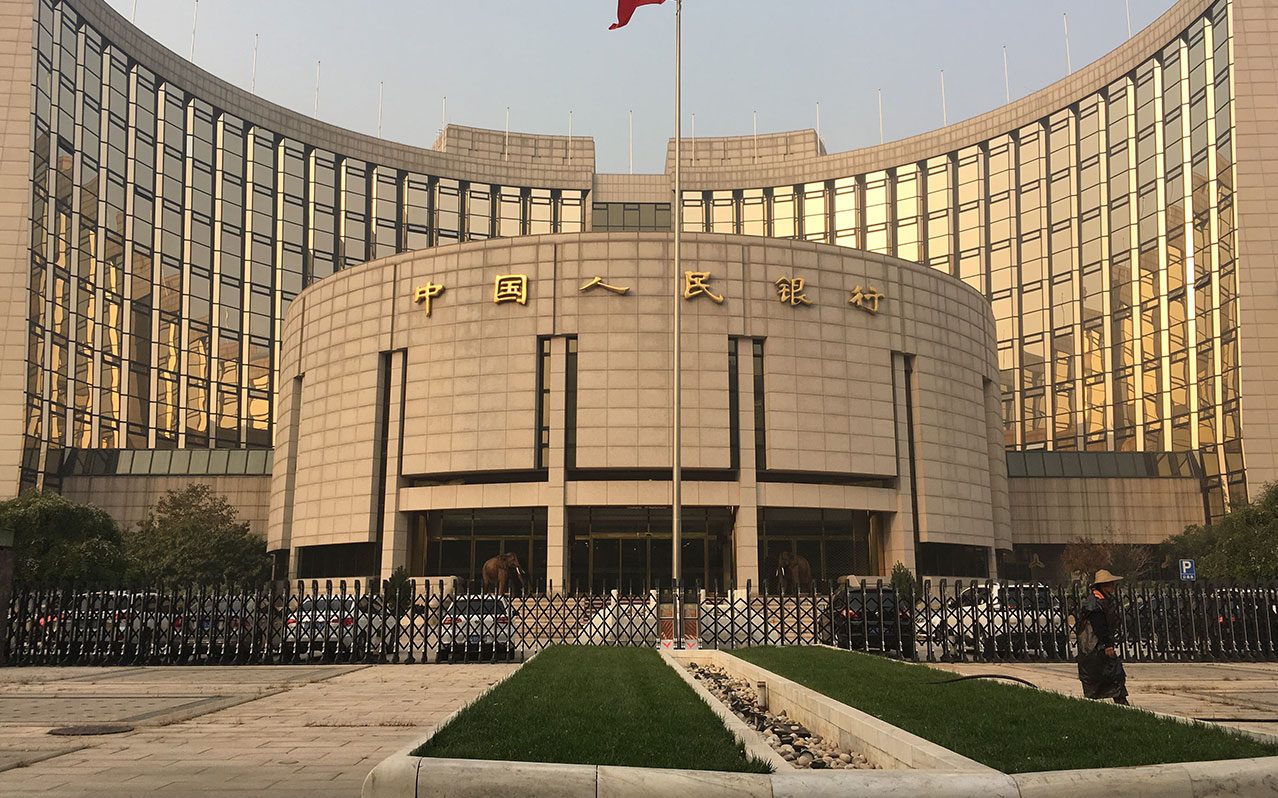
A RECOMMENDATION by the People’s Bank of China for the nation’s banks to refinance home loans at lower rates in a bid to stimulate a housing market recovery could hurt the banking sector’s bottom line.
A Fitch Ratings’ analysis by financial institutions director Vivian Xue, structured finance senior director Tracy Wan and senior director Lan Wang warns Chinese banking sector’s net profits could drop by 1% to 5%.
“China’s central bank official said in a recent press briefing that it had encouraged banks to lower mortgage rates on existing loans by renegotiating outstanding contracts or refinancing with new loans.
“We believe the guidance is partly to ease the ongoing wave of mortgage prepayments. This policy adjustment could pressure Chinese banks’ net interest margins and profitability if implemented at a large scale, given that home mortgages constituted 20% of the banking sector’s loan portfolio at end-1Q23,” they said.
Most mortgage loans are repriced every year based on movements in the loan prime rate, but the margin above the prime rate has been held constant over time from origination.
“We estimate that outstanding mortgage loans originated between 2018 and 2022 now carry a relatively high interest rate of around 5%. This suggests banks could cut the rates on outstanding mortgage loans by as much as 80 basis points (bp) to align with the current five-year loan prime rate of 4.20% and weighted-average rate for incremental mortgages of 4.14%. Nevertheless, the actual adjustment is likely to be more moderate,”
Fitch conducted a scenario analysis to assess the impact on banks by assuming that 10%, 30% or 50% of existing residential mortgages would be affected by an 80bp average rate cut. The sector’s net interest margin would compress by 1bp, 3bp and 5bp under the three scenarios, while net profit would decline by 1%, 3% and 5%, respectively. State-owned banks would see a more significant impact than their smaller peers because of the proportionately higher mortgage exposures in their loan books.
The analysts believe that whilst a mandatory, blanket rate reduction across all outstanding residential mortgages is unlikely, making the rate reduction mandatory and uniform across all existing mortgages would also contradict the authorities’ intention to ease pressure on bank earnings from rising mortgage prepayments.
“A uniform adjustment may also be operationally challenging, as mortgage pricing typically incorporates many idiosyncratic factors – such as down-payment ratios, borrower types and affordability ratios – that vary significantly across regions and borrower groups. We expect banks to implement the potential rate changes on a largely case-by-case basis.
“On the other hand, the increased feasibility for homebuyers to renegotiate existing mortgage rates could alleviate the mortgage prepayment trend and, in turn, help ease the pressure on banks’ profitability and asset reallocation. Residential mortgages remain one of the safest loan assets for banks with a modest loan-to-value ratio of around 40%-60% and a minimal impaired loan ratio of under 0.5%.”
“Subordinated RMBS tranches would face erosion in excess spreads and, in turn, a thinner margin of safety if interest rates decline on the pooled home loans. That said, lower rates may improve mortgage affordability for homebuyers…” they said.
The central bank is trying to stimulate a housing recovery as a number of developers face balance sheet pressures and countless apartment buildings have been left unfinished, leaving buyers without a home but with a mortgage.
Most recently state-backed Greenland Holdings, defaulted.
Meanwhile Evergrande – the world’s most indebted property developer – last month posted a combined loss of US$81 billion – AUD$118.6 billion – in 2021 and 2022. The company would need to borrow tens of billions of dollars to complete its US$158 billion of uncompleted developments.
But the housing downturn is not only impacting debt-laden developers. Chinese local governments have seen their debt skyrocketed to US$8 trillion, according to a recent report from the Rhodium Group.
Local municipalities rely heavily on state-owned land rights sale to property developers to raise revenue.
According to the Peterson Institute for International Economics, land revenue as a share of local government income peaked in 2021, raising 2.1 trillion Yuan from land related tax revenue and 8.7 trillion Yuan for land sale revenue – more than half the total 17.8 trillion Yuan.
PIIE said in 2022, tightening restrictions on developers led to a record number of debt defaults and triggered the most serious housing slump in China since 1998.
“Local governments faced difficulty selling land; the total land sale revenue in 2022 dropped to 6.7 trillion yuan, a 23% decline from the prior year. Government land-related income decreased from 37% of total local government revenue in 2021 to 31% in 2022.”